SET FOR RELEASE JANUARY 2027

Title: The Binding
Director: Jason Hendrik Hansma

Music: Forest Swords
Editing and VFX: Jean-Baptiste Castel
Film Treatment: Haghefilm

Production Assistant and Researcher: Anastasia Troshkova

Year of Production: 2025 – 2026 (Release 2027)

Run Time: 5:38
Format: 35mm and Digital DCP

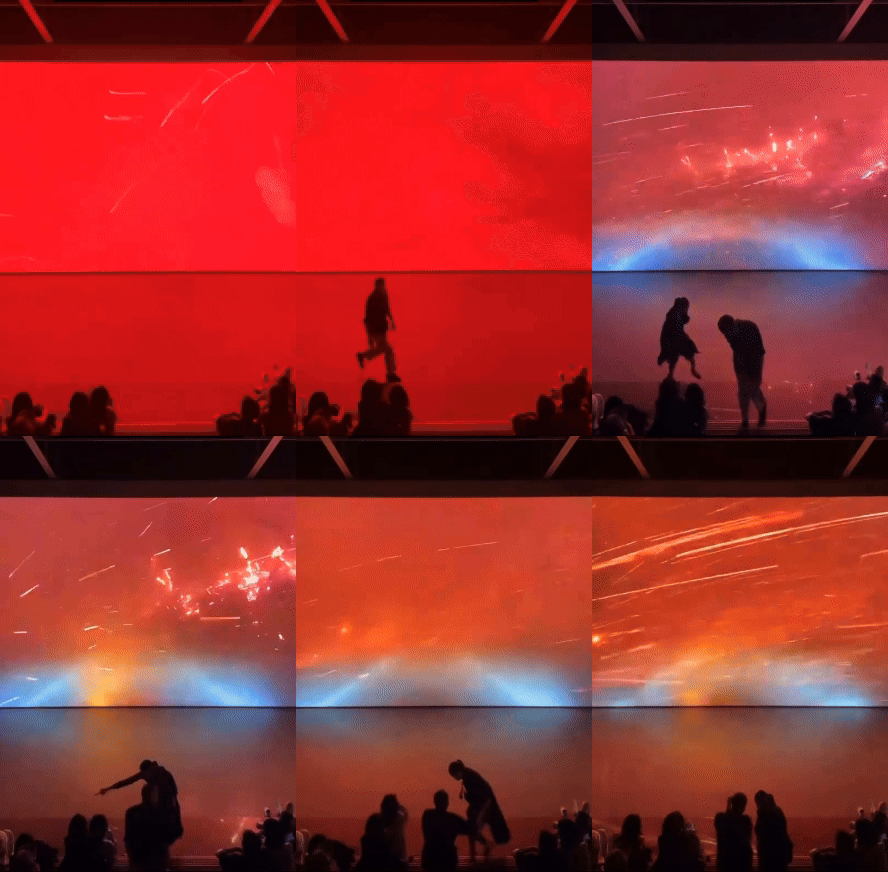
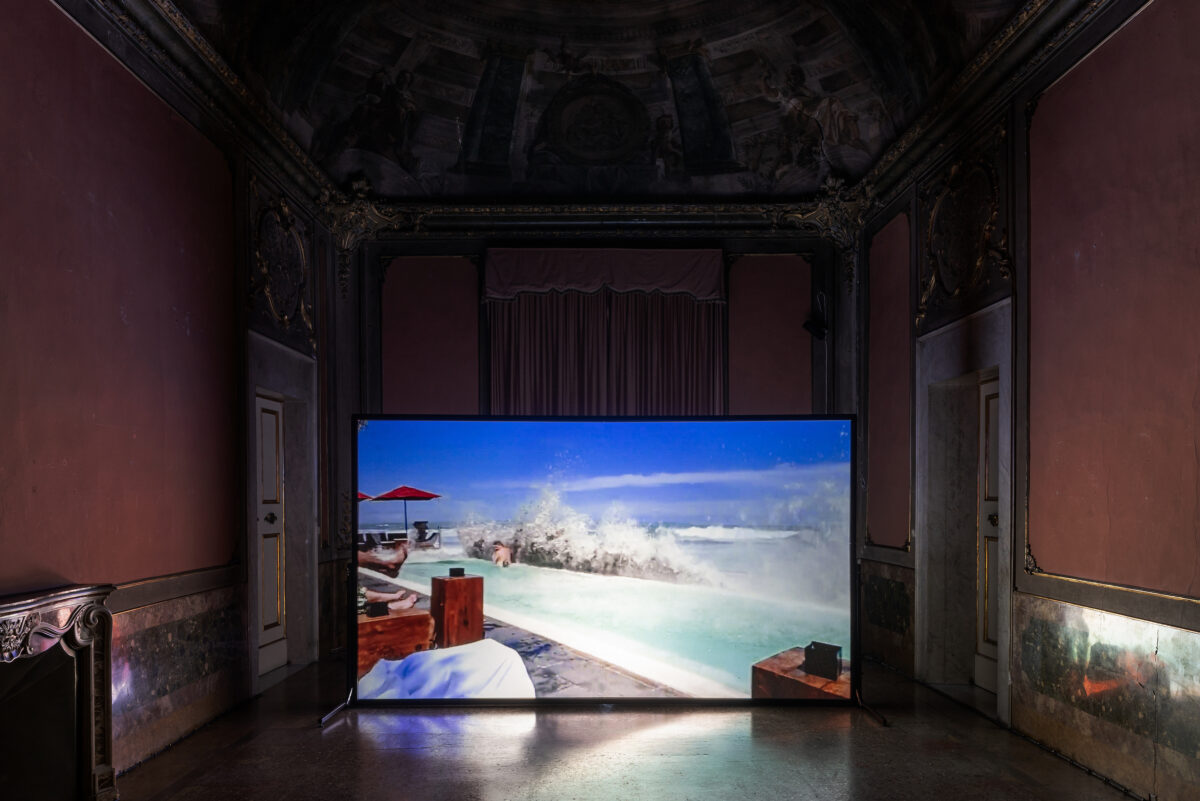
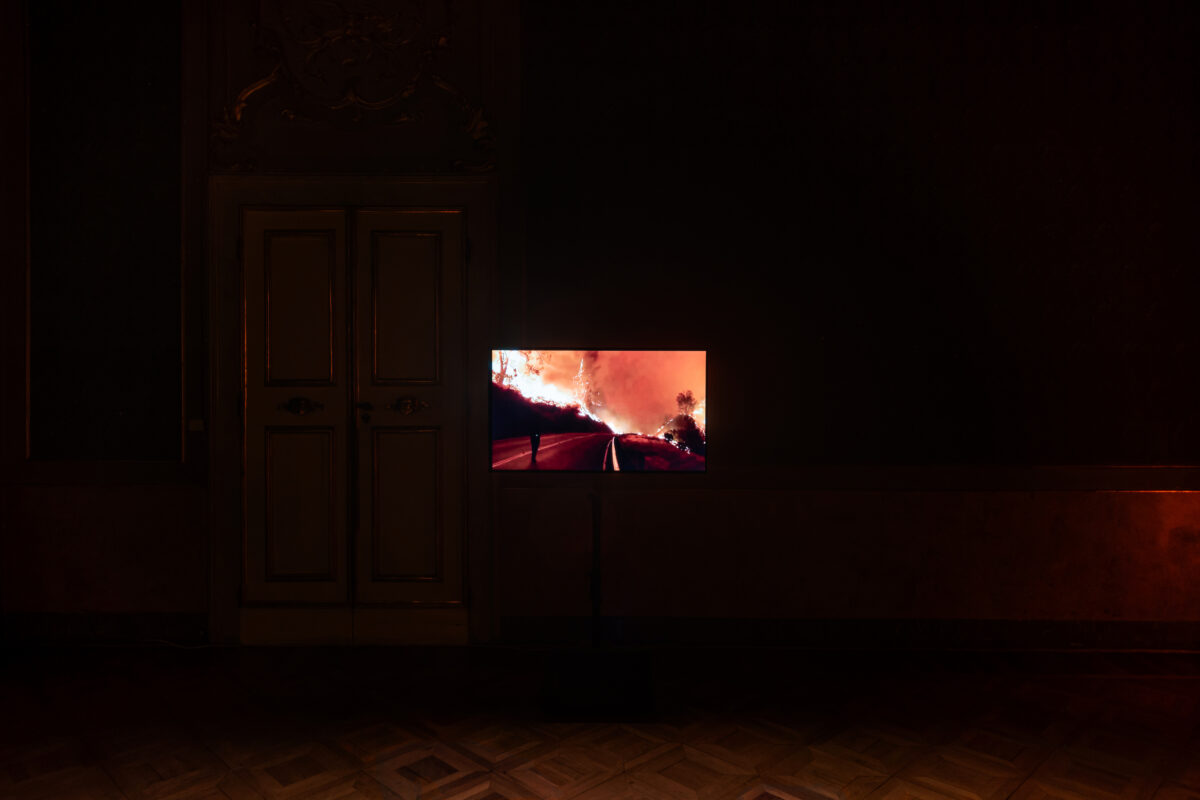
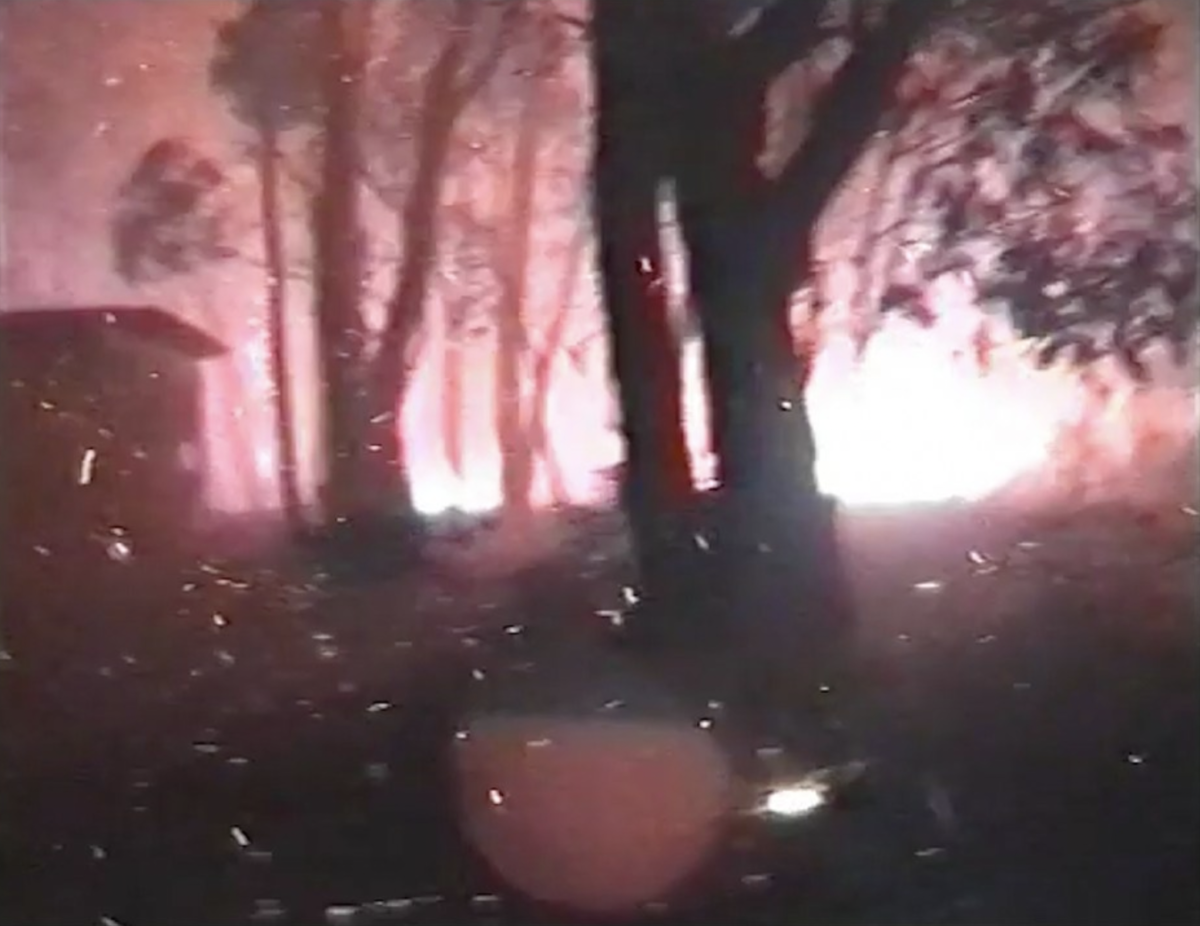
Logline: An experimental film built from a taxonomy of misfiring fireworks, following child-like spectral figures that move through the debris of inherited memory toward a language as yet formed.

Synopsis:

Built from a taxonomy of hundreds of scraped online firework clips, from misfires, stutters, and unstable flickers, the film develops an emergent poetics through disembodied, synthetic vocal architectures. Part ghost-film, part speculative documentary, and part dream, the project casts the child as a newcomer, half-ghost and half-prophet, moving through the debris of inherited memory and haunting the gaps of the algorithm, propelling us toward a future language as yet formed.

Constructed entirely from found footage and algorithmically pushed to expose its stutters as an archive of unstable light, the film’s editing draws on the visual vocabulary of a scrambling quasi-language, syllables twitching in dead air, and pop fragments atomized into unrecognizable debris. These textures assemble a haunting dreamscape in which meaning oscillates, collapsing into the dark, before emerging into a new future.

With this new film, there is a decisive turn toward a meditation on rupture, on the future after these works: Where do we go when our inherited frameworks no longer hold? What happens when the voice itself becomes dislocated, caught between human breath and inhuman pattern? And how might a future language arise from such instability?

The Binding was initiated by a moment in the Staatliche Museen zu Berlin, in the Egyptian Museum and Papyrus Collection. When Hansma’s three-year-old son told a gallery attendant: “I’m not a person—I’m a ghost.”

The statement became a conceptual hinge for the film: the child as an emissary from a world not yet fully named (or formed) a figure who carries ancestral memory into zones where language is still in liquid formation. This ‘future ghostliness’ is mirrored in the sound, where gaps and rhythm appear not as dialogue, but as disembodied syllables, algorithmically twisted phonemes, and flickering samples that never resolve, a haunting.

Drawing on Walter Benjamin and Hannah Arendt’s reflections on natality, history, and responsibility,

The Binding considers how the past persists into the future as potential, how the newcomer (the child, the refugee, the migrant) carries both silence and possibility, how the out-of-sync rhythm of repair creates ruptures on the film plane.

Fireworks become an extended metaphor for the dynamic: sparks behave like fireflies, lights that escape choreography, and intent. Bursts and movement become a moment of emergence, an unstable constellation where the future briefly becomes perceptible, where the space and face are momentarily lit up and made visible.

The piece builds a porous world: ambient textures, rhythms dissolved into ghostly pulses, and synthetic quasi-images resemble language without inhabiting it. The images and clips become stranded between intention and malfunction, expressively hollow, touching in their brokenness, repaired over the course of the film. The images begin to hallucinate and haunt the digital space, before being transferred to 35mm film for festivals and then rescanned for digital installation works. The audio works as a sonic companion to the light: both fragments of larger, disassembled systems that hint at meaning while resisting full capture.

The Binding situates itself between cinema, sound essay, music videos and speculative documentary. Rather than presenting narrative resolution, it traces the fragile conditions under which new forms of meaning might arise. It is a film form of emergence: where ghostly futures are glimpsed through the flicker, how the voice begins, and how the child, standing at the threshold of the possible, becomes luminous.
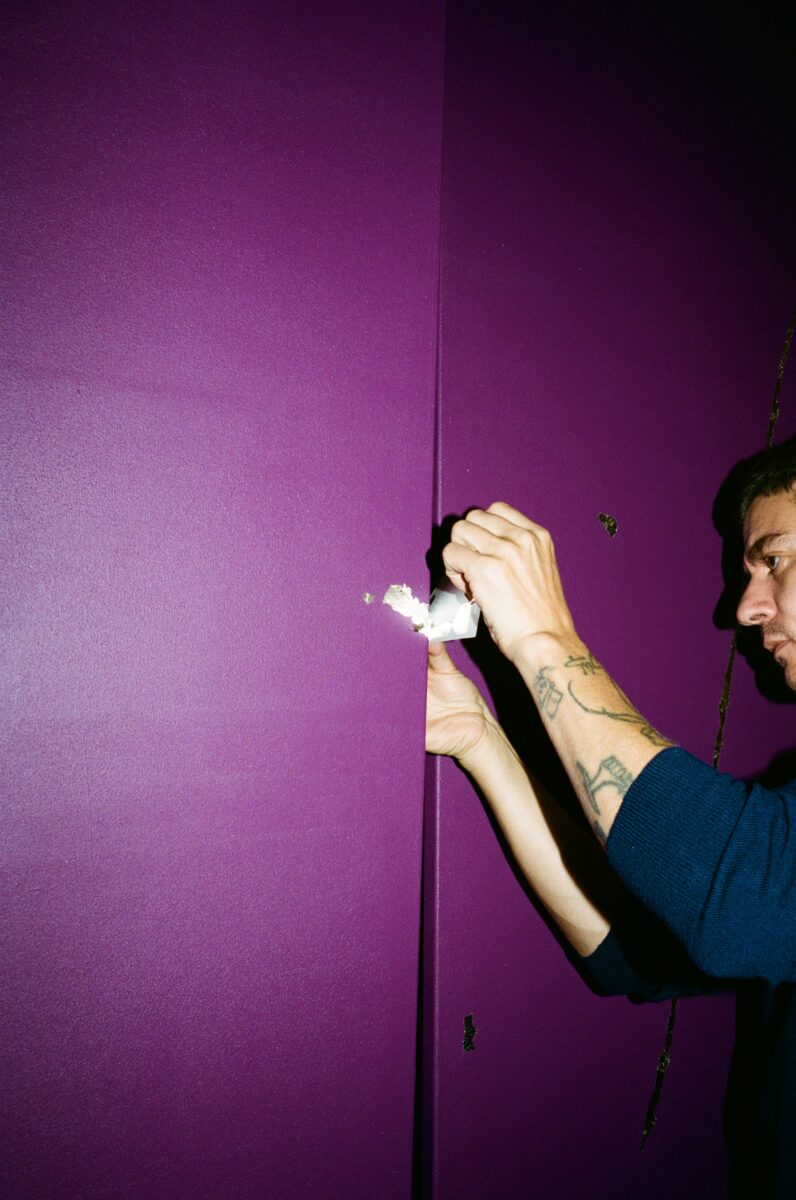
  1. A person stands beside a magenta-purple painting, pressing gold leaf onto a seam. The hand’s position suggests repair or application. A section of the wall catches the flash, revealing subtle texture and traces of previous handling. The person’s forearm shows tattoos partially visible against a dark sleeve.
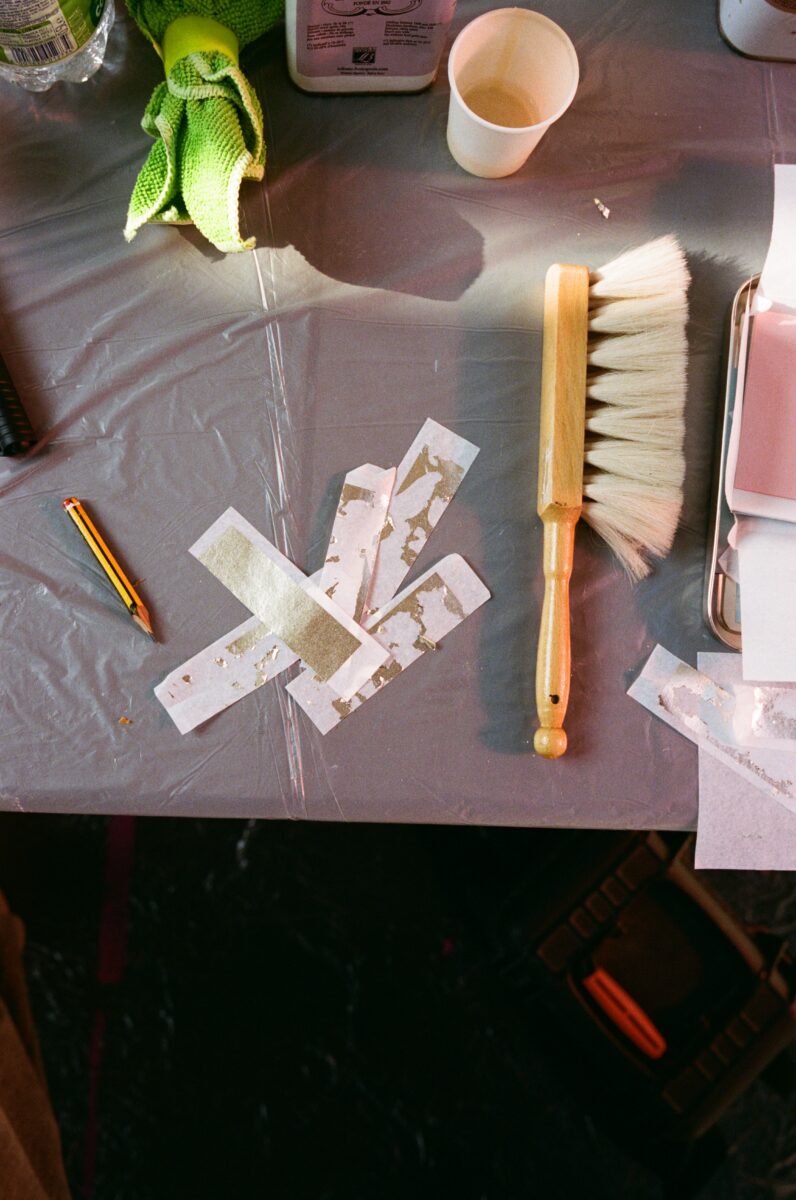
  2. A worktable covered in plastic sheeting holds a brush with pale bristles, a small pencil, strips of paper flecked with gold, and scattered workshop tools. Light falls unevenly across the table, creating zones of warmth and shadow. Beneath the surface, parts of a floor and a case are visible, indicating an installation in progress.
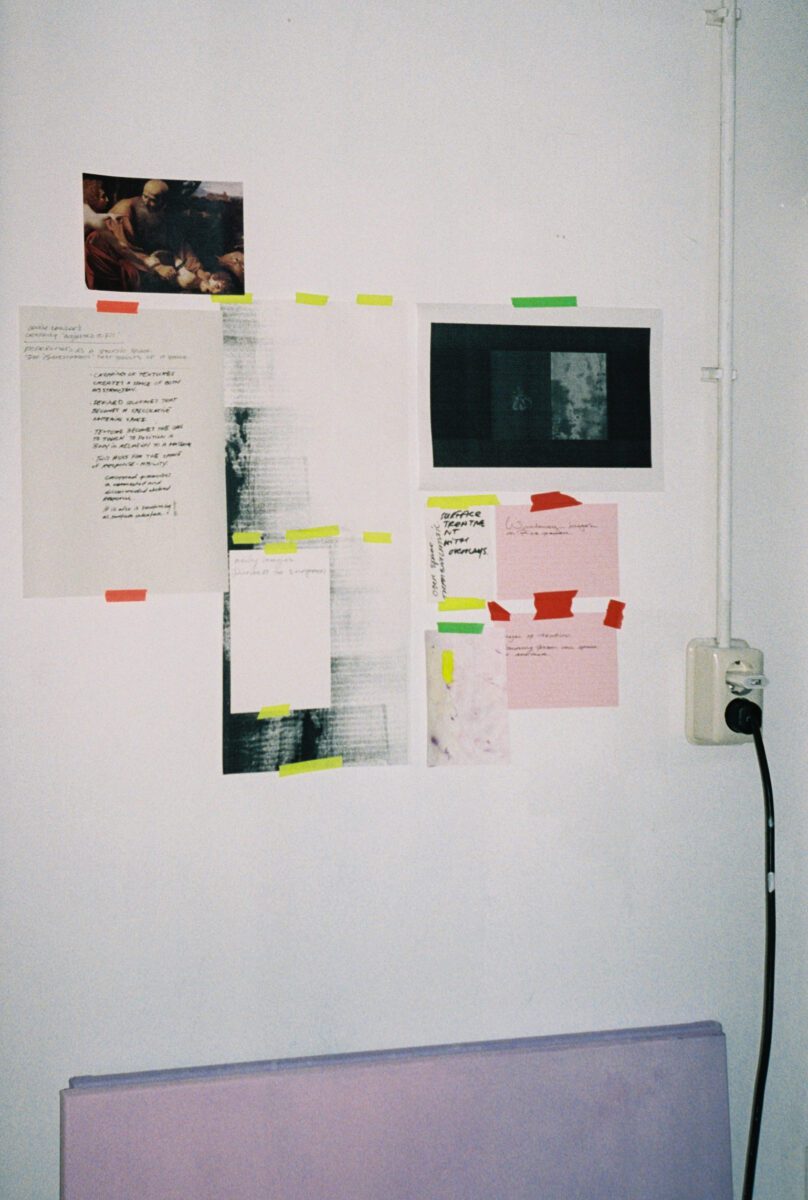
  3. Several sheets of paper, secured to a white wall with fluorescent yellow, green, and red tape, display typed notes, sketches, and a small printed reproduction of a classical painting. A pale purple panel rests below, while a black cable and socket along the right edge indicate a studio or workspace environment.
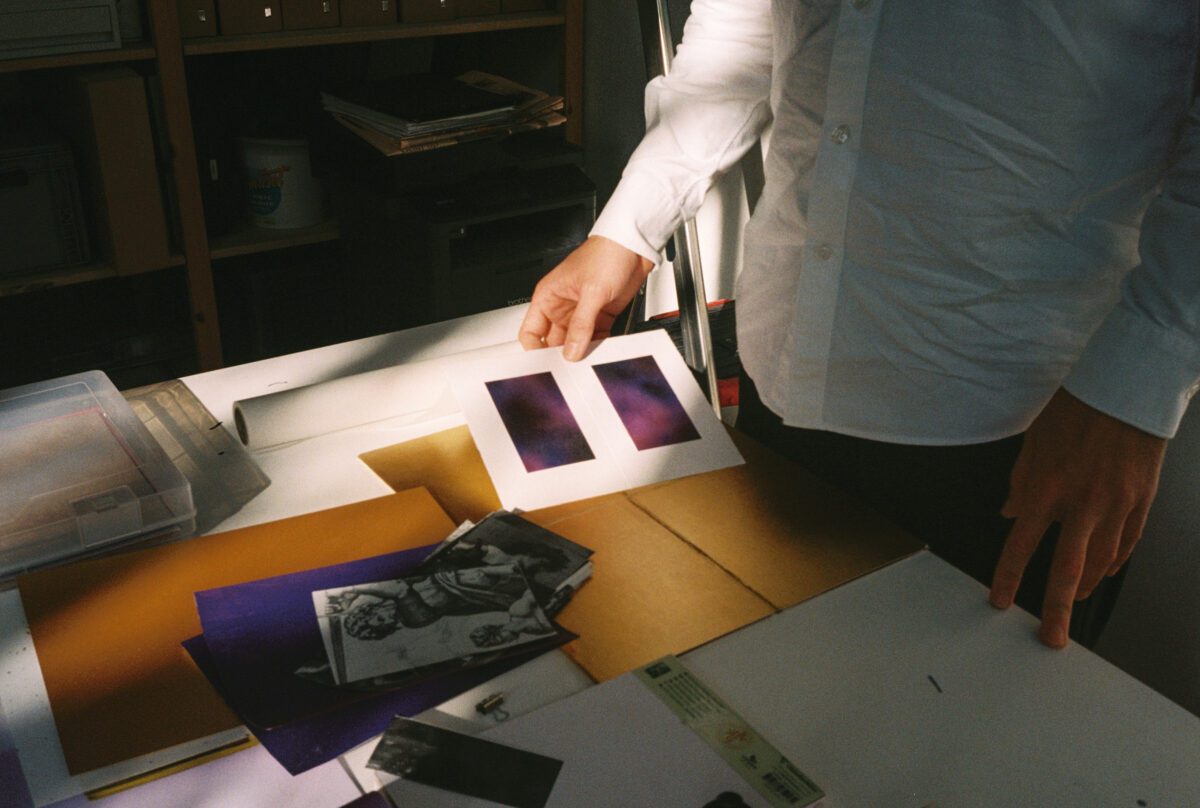
  4. A person stands beside a table covered with sheets of paper and coloured materials. Their hand holds a print with two purple rectangular fields. Around them lie golden and violet papers, small black-and-white images, and transparent folders. Sunlight cuts across the table, catching the edges of the papers and the folds of the white shirt the person wears.
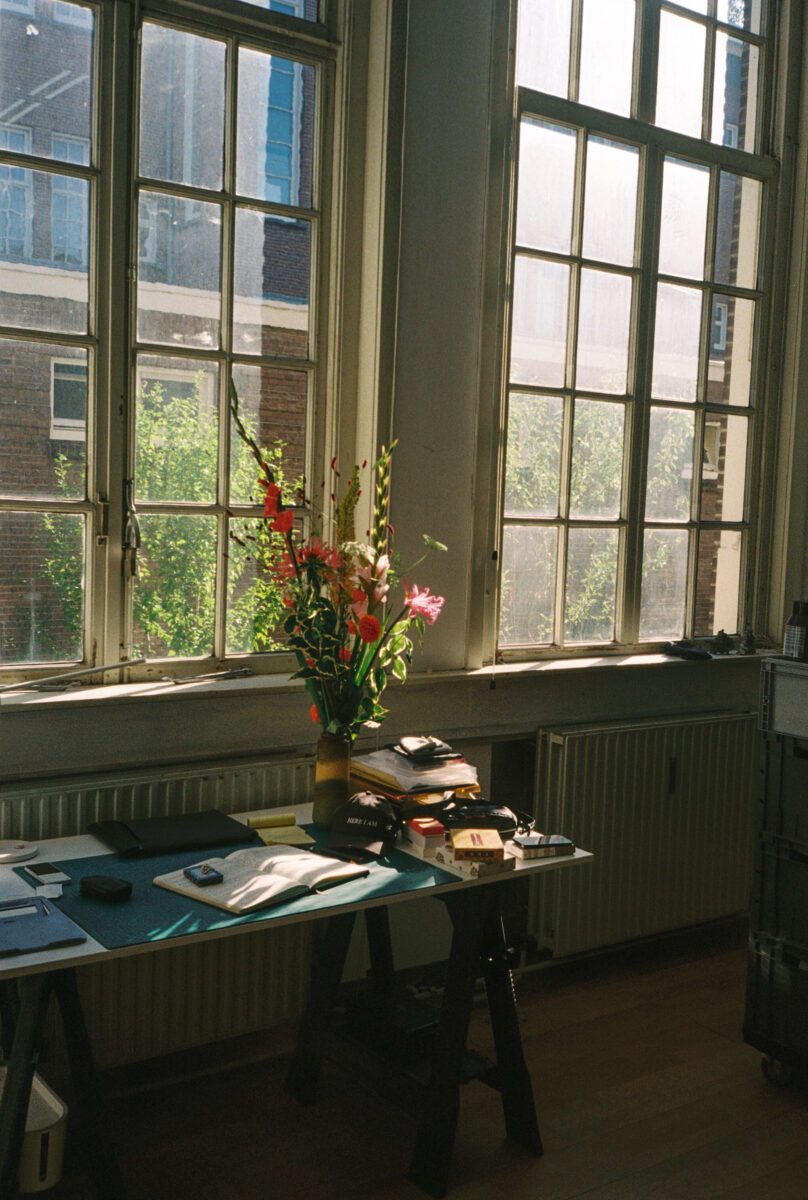
  5. A desk sits under tall windows where late afternoon light fills the room. On the table, there is an open notebook, a stack of papers, and a vase of bright flowers with red, pink, and orange stems rising at different heights. Shadows from the window frames stretch across the surface, breaking it into geometric bands of light. Outside, the leaves on nearby trees catch the same sunlight and cast a soft green reflection on the glass.
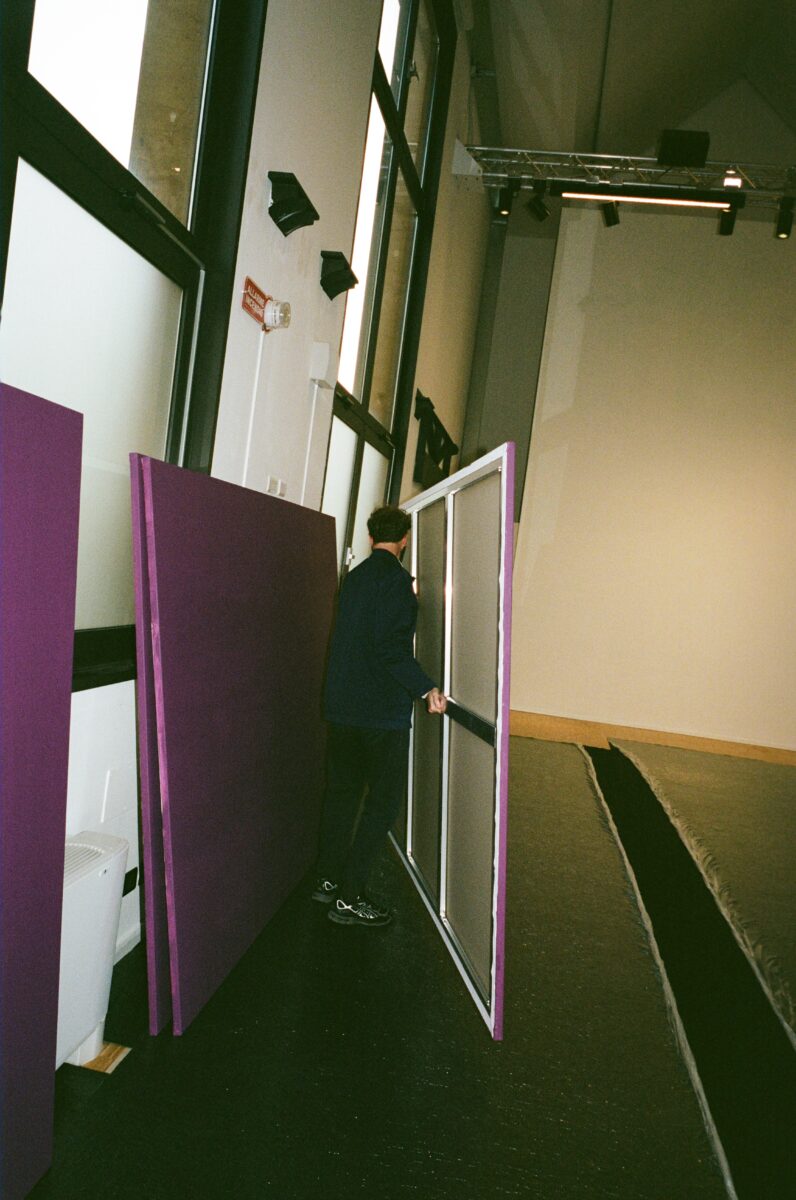
  6. A tall panel painted in purple is carried across a large room with high windows and theatre lighting overhead. The person’s back faces the camera as they move the structure toward a stage-like platform. Two additional panels lean against the wall, while the light from the windows outlines the scale of the interior space.
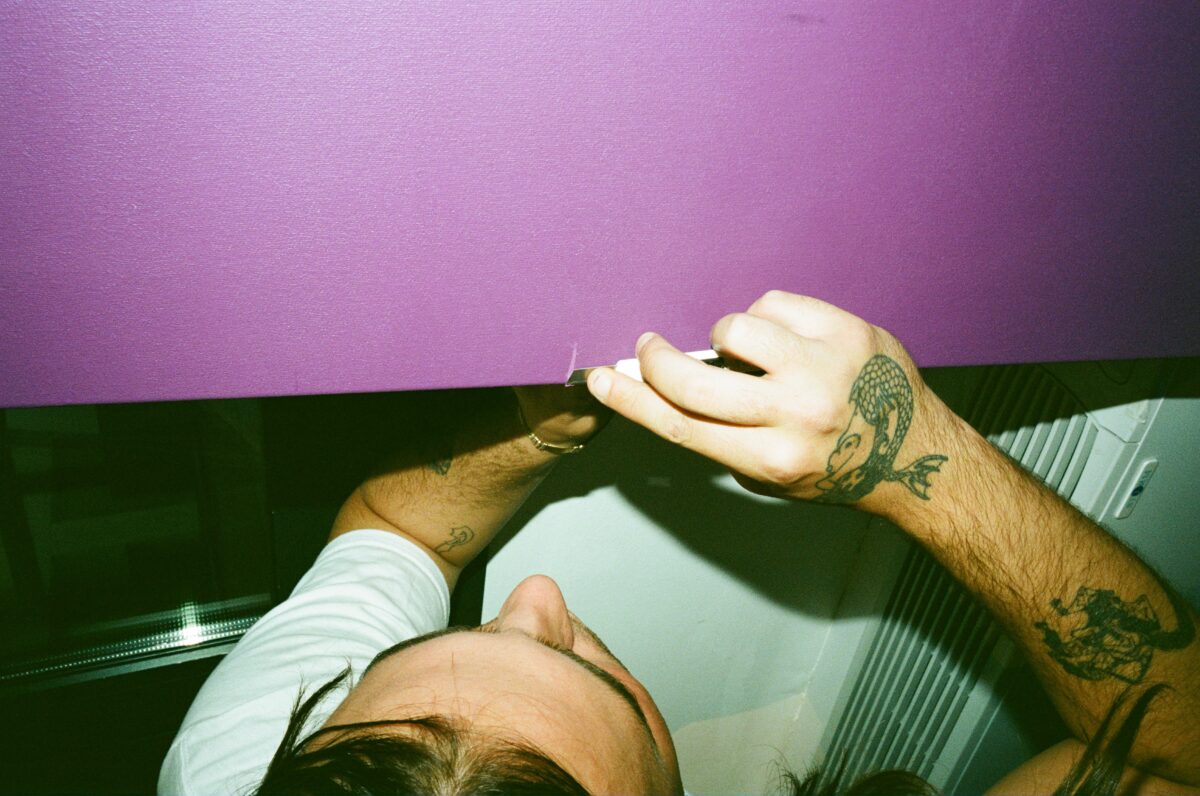
  7. A person leans beneath a purple panel, holding a small knife against its edge. Their arm, marked by tattoos of a snake and other figures, is caught in the flash. The person’s focus appears on a fine detail near the corner, possibly trimming or adjusting the panel’s surface.
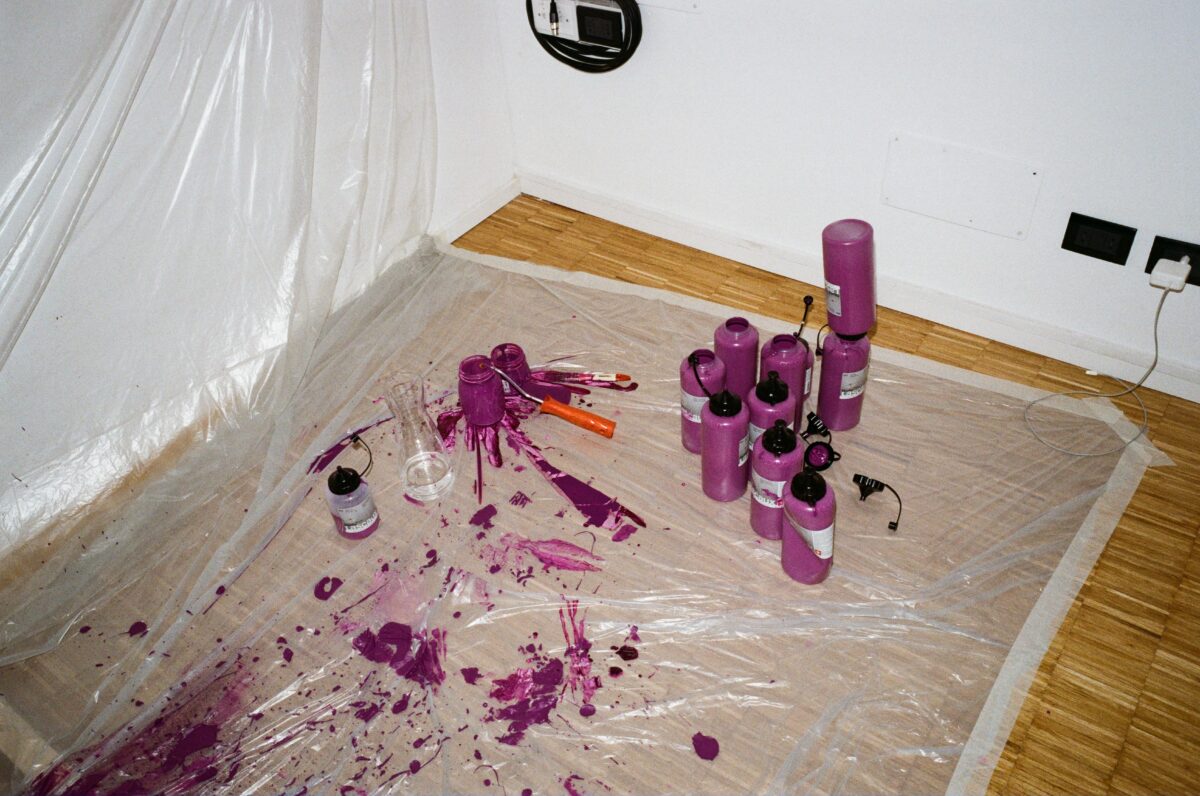
  8. Plastic sheeting covers the floor of a room, where several bottles of purple paint have been placed. Some bottles stand upright, while one balances precariously on another. Near them, a roller and brush rest beside an open jar, spilling paint onto the surface below. The pigment pools and splatters across the plastic, mingling with faint reflections of light from the surrounding space.
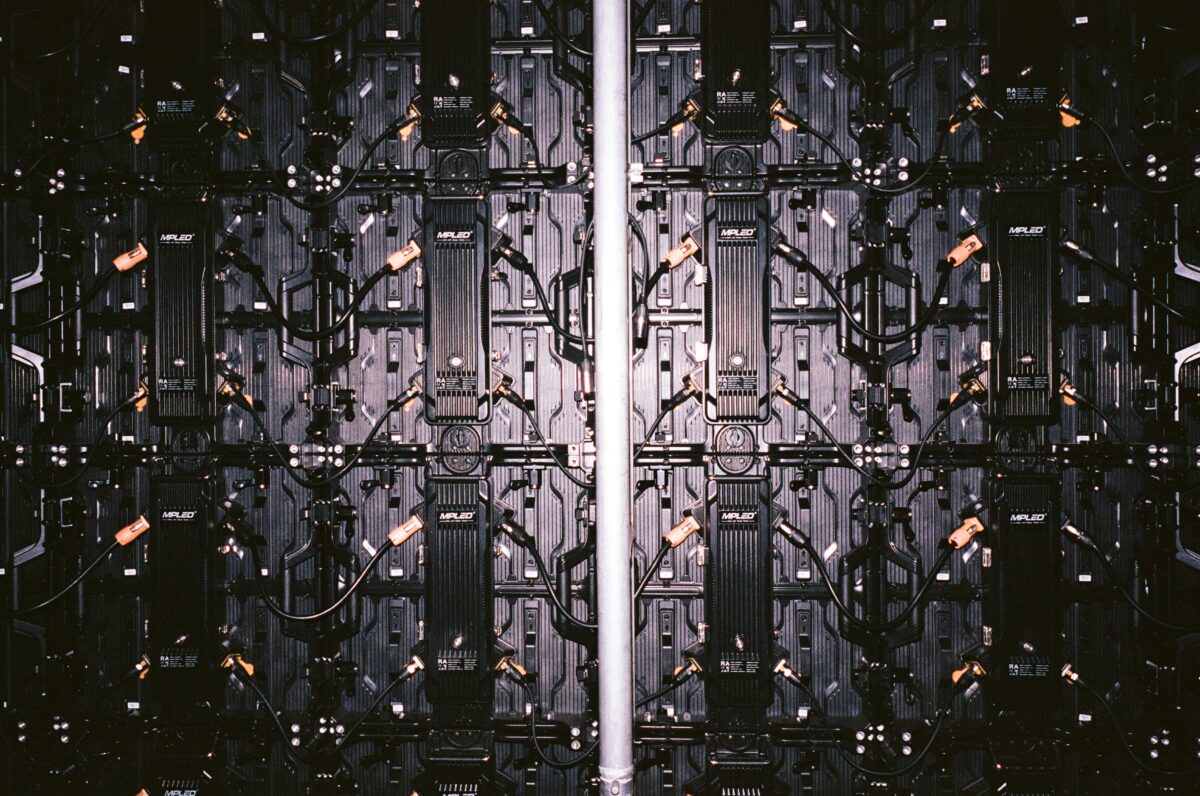
  9. An array of LED panels fills the frame. Each unit, marked “MPLED,” connects through a lattice of black cables and orange connectors. A single metal pipe runs vertically through the centre, interrupting the near-symmetry of the modular grid. The light reveals the panels’ heat sinks, ridged and matte, forming a surface that reads as both mechanical and patterned.

Selected work

Jason Hendrik Hansma (b. 1988) engages with film, sound, and installation. Informed by theories of the pre-linguistic, the liminal, and the slur, his practice constructs encounters situated at the threshold of articulation, where recognition precedes naming.

Hansma develops his work through sustained research that integrates archival materials, philosophy, language development, and digital culture. Collaborating with interdisciplinary teams, he creates formal systems manifested in film, spatial installations, and multi-channel sound environments. These works are presented at museums, galleries, festivals, and clubs, and are realized as touring, reconfigurable spatial systems that engage diverse audiences in shared experiences of attention and perception.

His work has been presented at the Fenix Museum Rotterdam, Ultra Fiorucci, Grand Palais, UNESCO, Bauhaus Dessau, Eye Filmmuseum, Ludwig Forum für Internationale Kunst, and the Centre Georges Pompidou, and featured in publications including Artforum, Frieze, Vogue, and NSS Magazine.

Hansma serves as co-director of Shimmer, a curatorial and production platform established with curator Eloise Sweetman. Shimmer functions both as a program and as a long-term cultural infrastructure, producing exhibitions, commissions, and public programs that emphasize encounter, transmission, and sustained public engagement. It operates as a network for collaboration, distribution, and audience development, and has realized projects with over 220 artists, including Ellen Gallagher, Felix Gonzalez-Torres, and Lawrence Weiner. Hansma also contributes writings on the ethics and methodologies of curating from an artist’s perspective.

In addition to his artistic practice, Hansma has taught at the Gerrit Rietveld Academie, the Royal Academy of Art in The Hague, and the University of Amsterdam. He currently serves as an advisor to the Mondriaan Fonds.

He lives and works in both Berlin and Rotterdam.

Recent texts/books

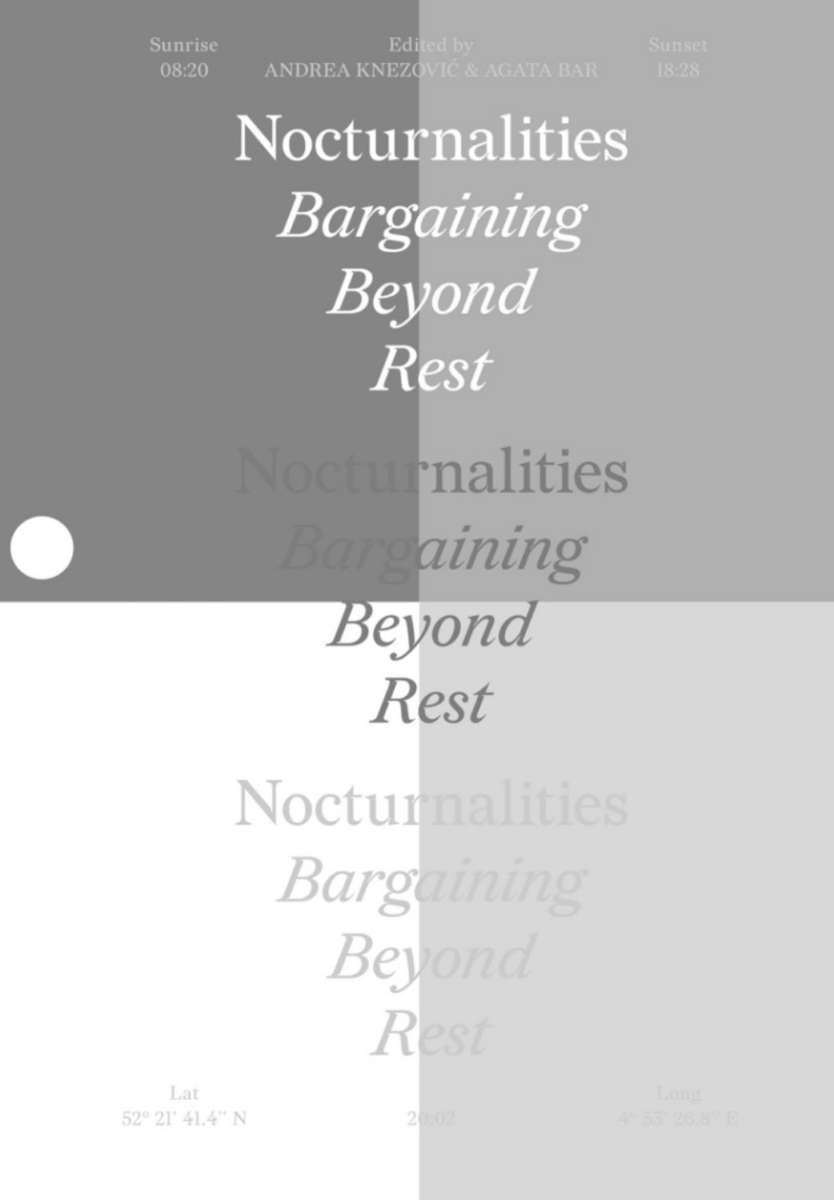
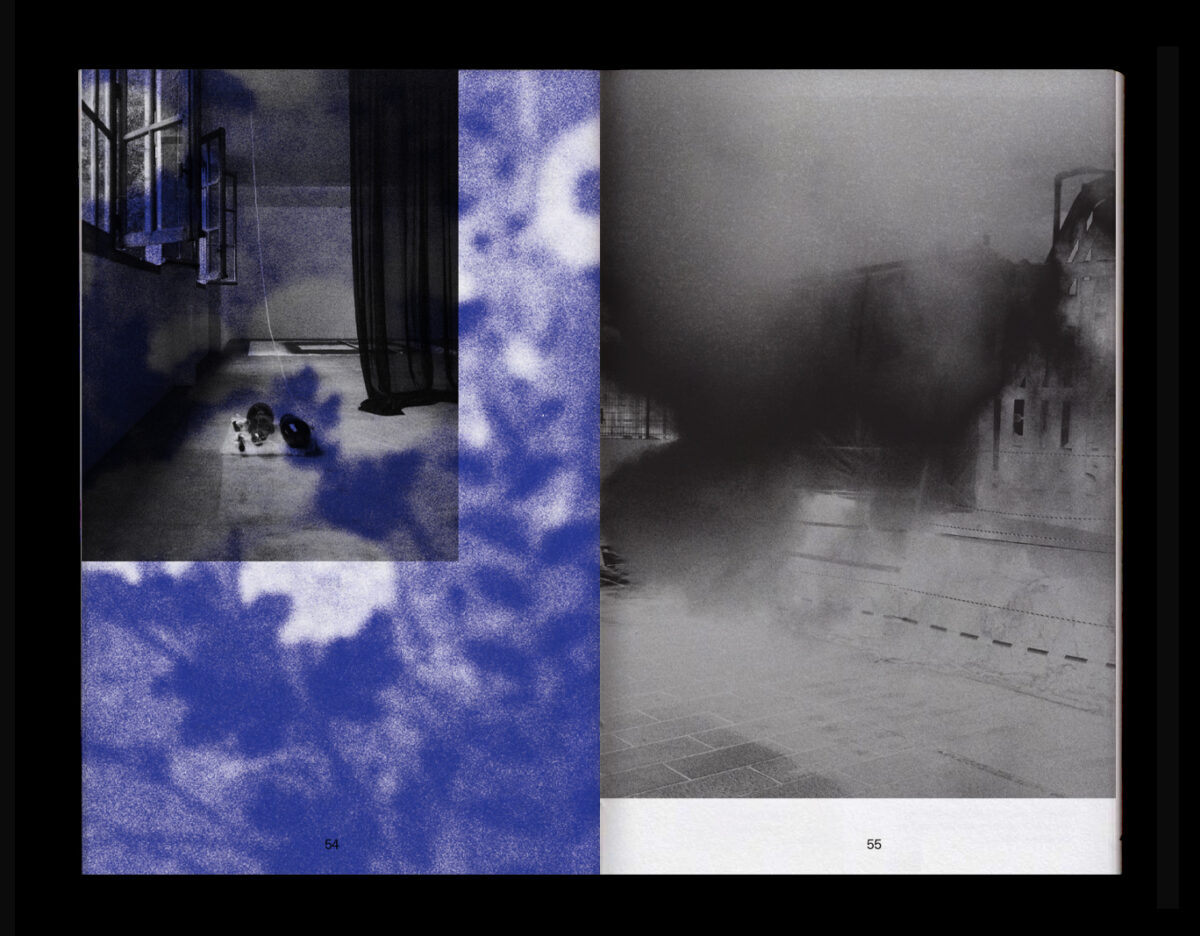
  • Nocturnalities
    Published by Jesse Presse and Onomatopee Projects, 2025

    Download Here
  • In Our Real Life
    New book of photography and essays, published by Shimmer Press 2024

  • Say it Right
    published by the Gerrit Rietveld Academie and Sandberg Instituut, research fellowship project, 2022

    Download Here
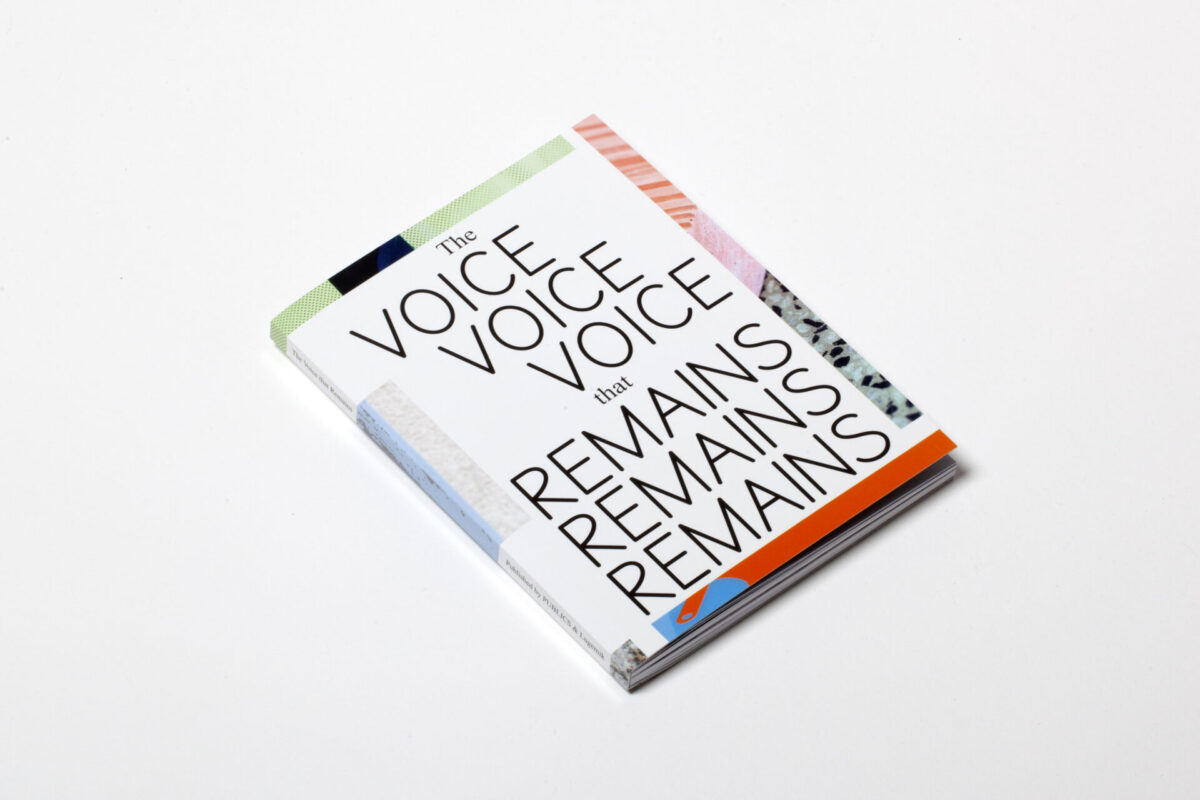
  • The Voice that Remains – PUBLICS Helsinki
    Published by Lugemik & PUBLICS, 2024

    Download Here
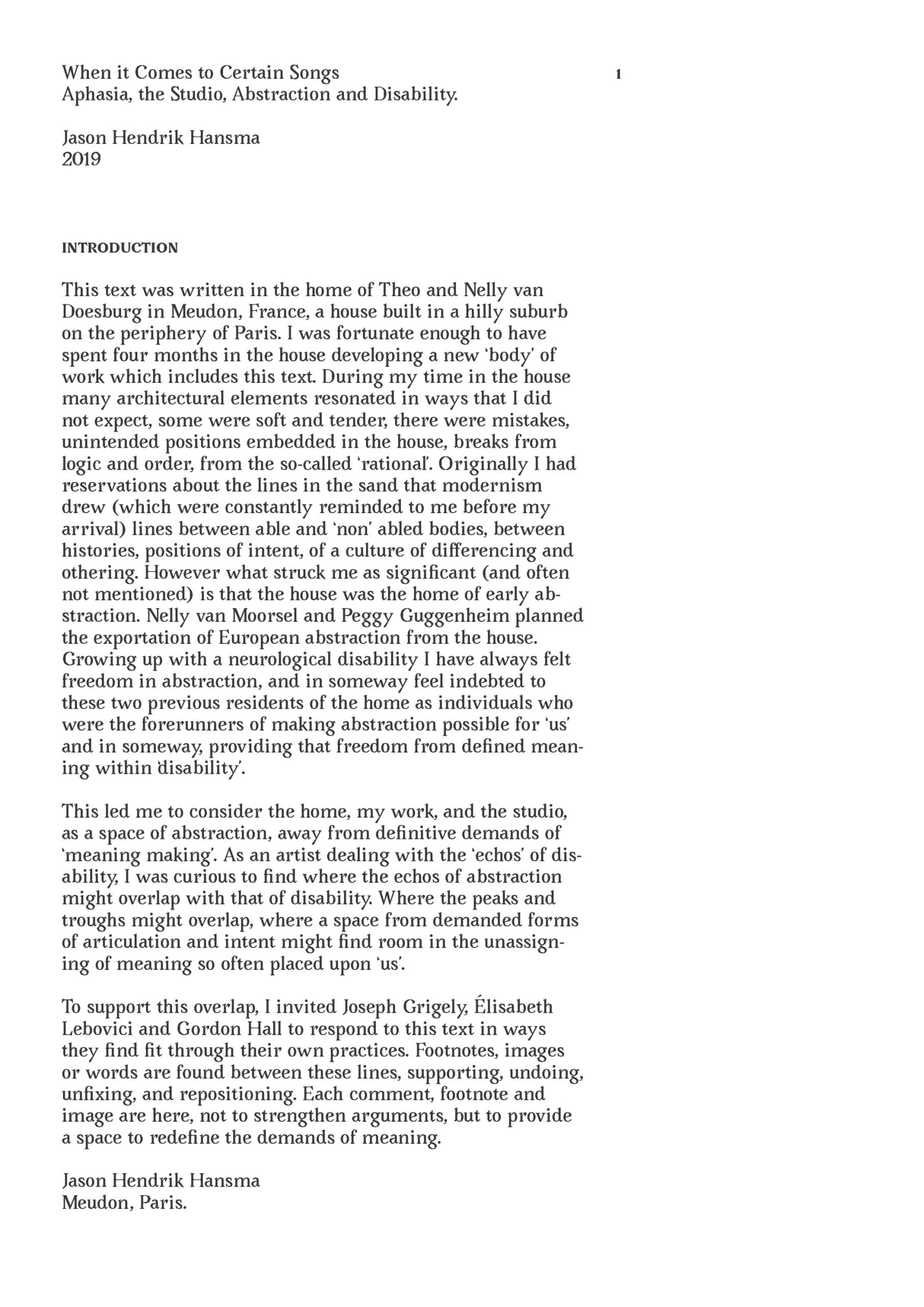
  • When it Comes to Certain Songs, Aphasia, the Studio, Abstraction and Disability.
    With annotations by Élisabeth Lebovici, Joseph Grigely, and Gordon Hall, 2019

    Download Here
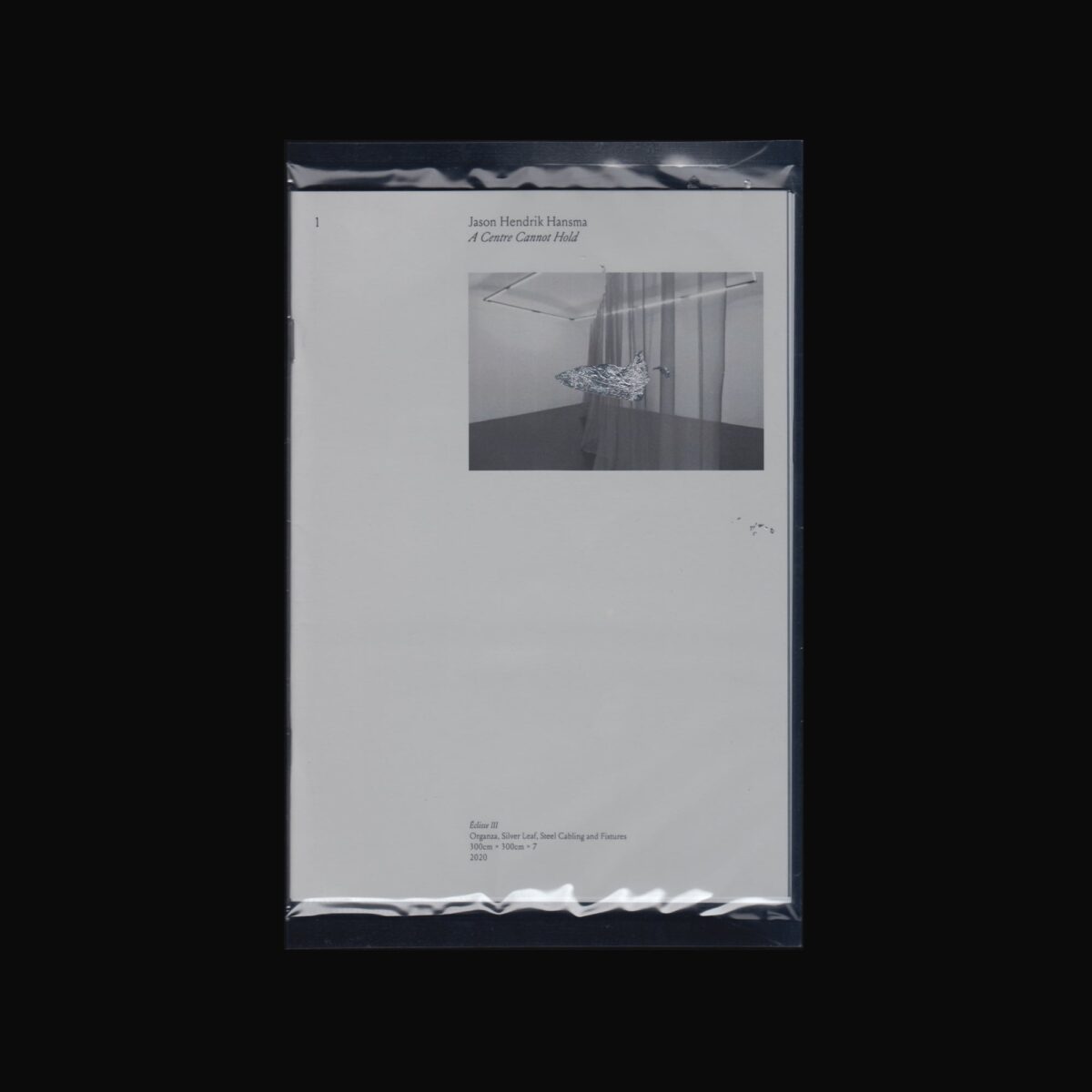
  • A Centre Cannot Hold
    New publication with a text by Jo-ey Tang, 2020

    Download Here

Forthcoming/Recent

  • 2026
    Forms of Alignment at Stiftung Neue Synagoge Berlin – Centrum Judaicum curated by Daniel Laufer and Constanze Murfitt Opening 27 August
  • 2026
    Atlantropa n’aura pas lieu at Frac Corsica curated by Fabien Danesi 30 April – 17 October
  • 2026
    Speaker at Positioning A Symposium on Curatorial Learning in the Nordic-Baltic Region & Beyond 24 — 26 Sept 27 — 29 Oct 11 — 14 Nov
  • 2019
    Reading and panel discussion at De Appel, Amsterdam
  • 2019
    Reading by Kris Dittel at De Appel for Amsterdam Art Weekend
  • 2019
    ‘When it Comes to Certain Rooms’ La Maison Van Doesburg, Paris
  • 2019
    De l’île au monde, Centre international d’art et du paysage Île de Vassivière
  • 2019
    Il est une fois dans l’Ouest, Frac Aquitaine – La MECA, Bordeaux
  • 2019
    State of Transparency, Looiersgracht 60 Amsterdam
  • 2019
    LW/LW with Louwrien Wijers and Lawrence Weiner at Shimmer (curator)
  • 2019
    Residency and exhibition at La Maison Van Doesburg, Paris
  • 2019
    Exhibition at Videotage and Art Basel, Hong Kong