THE BINDING
2025–2026 / Release January 2027
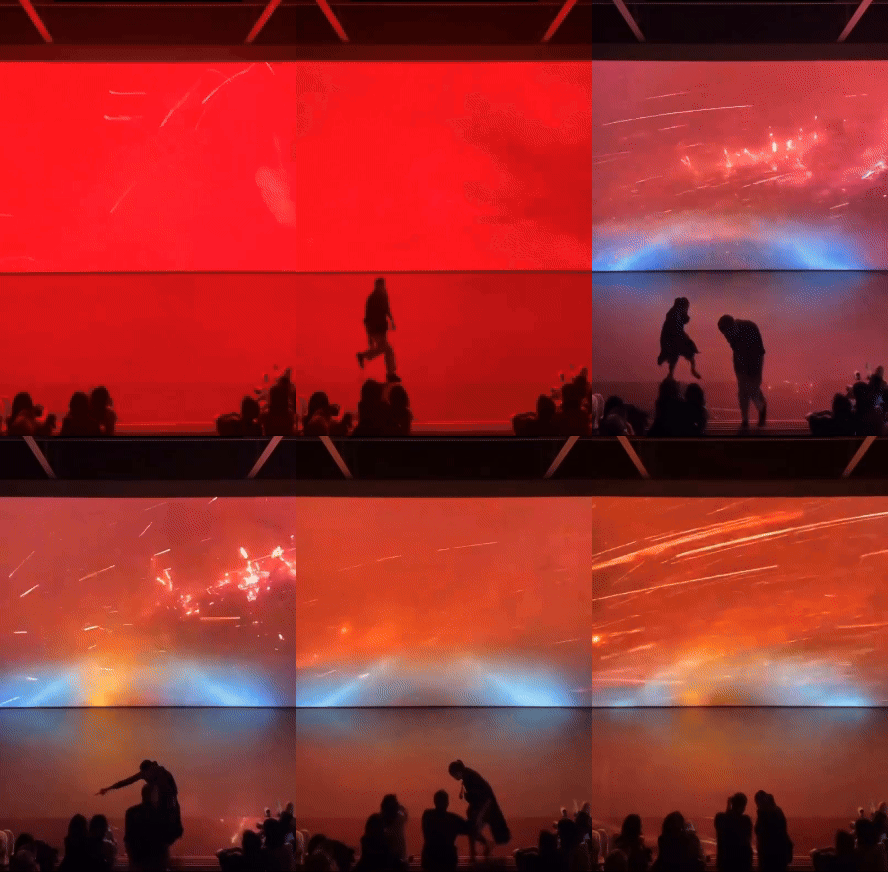
An experimental film built from a taxonomy of misfiring fireworks, following childlike spectral figures that move through the debris of inherited memory toward a language and future as yet formed.
CREDITS
Concept and Direction: Jason Hendrik Hansma
Music: Forest Swords — Onward
Editing and Visual Effects: Jean-Baptiste Castel
Animation, Compositing and Rendering: gast.studio
35mm Film Production, Processing and Co-Grading: Haghefilm
Line Production Assistance and Research: Anastasia Troshkova
Visual Identity: Christophe Clarijs
Sound Design, Audio Treatment and Installation: Richard Burki
TECHNICAL INFORMATION
Production: 2025–2026
Release: January 2027
Duration: 5 min 38 sec
Format: 35mm and Digital DCP, 4K scan
PARTNERS AND SUPPORT
Premiere Partners: Brutus and International Film Festival Rotterdam (IFFR)
Audio Partner: Genelec
Supported by: Mondriaan Fonds
Synopsis:
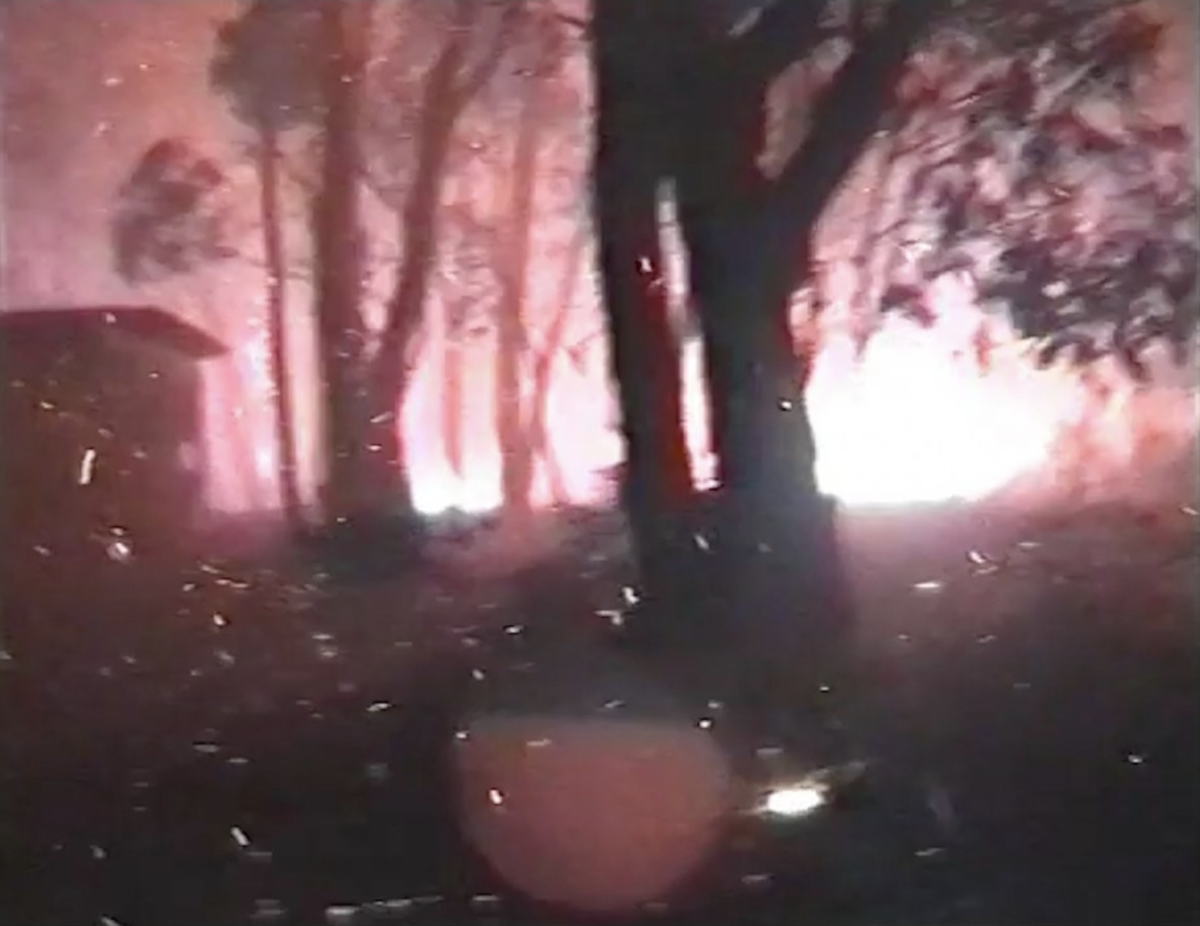
Built from a taxonomy of hundreds of scraped online firework clips, from misfires, stutters, and unstable flickers, the film develops an emergent poetics through disembodied, synthetic vocal architectures. Part ghost-film, part speculative documentary, and part dream, the project casts the child as a newcomer, half-ghost and half-prophet, moving through the debris of inherited memory and haunting the algorithm’s gaps, propelling us toward a future language yet to be formed. Constructed entirely from found footage and algorithmically pushed to expose its stutters as an archive of unstable light, the film’s editing draws on the visual vocabulary of a scrambling quasi-language, with syllables twitching in dead air and atomized into unrecognizable debris. These textures assemble into a haunting dreamscape in which meaning oscillates, collapses into the dark, then sparks into a new future.
With this new film, there is a decisive turn toward a meditation on rupture, on an unstable future: Where do we go when our inherited frameworks no longer hold? What happens when the voice itself becomes dislocated, caught between human breath and inhuman pattern? And how might a future language arise from such instability?
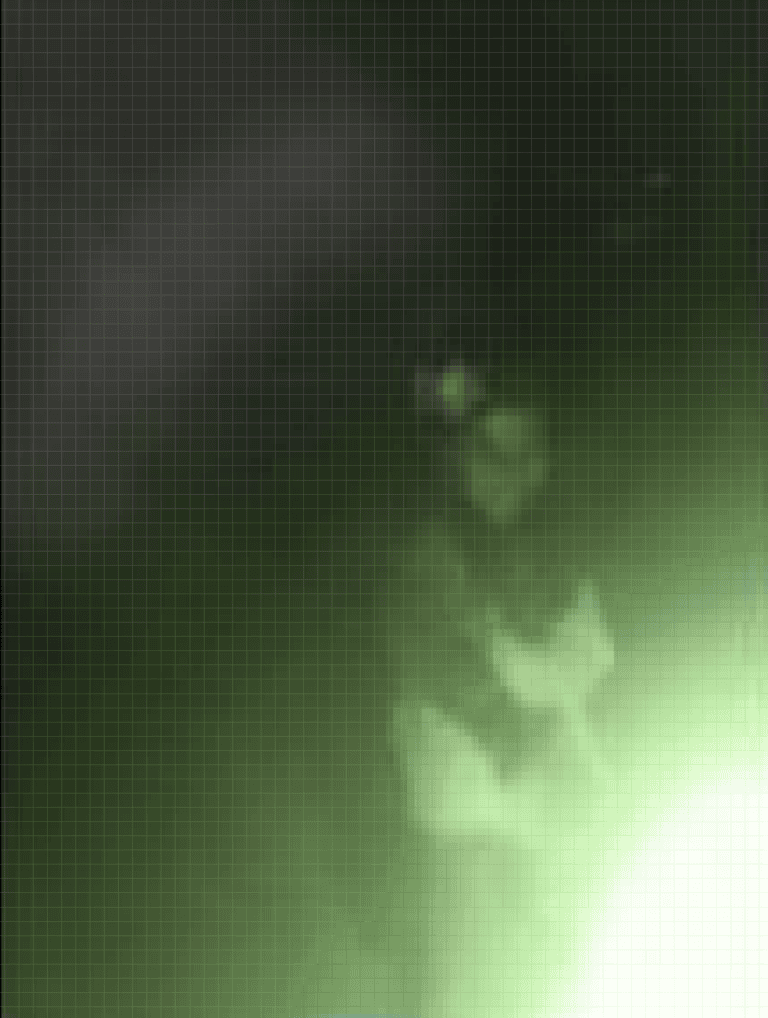
The Binding began with a moment in the crypt of the Staatliche Museen zu Berlin, in the Egyptian Museum and Papyrus Collection. When Hansma’s three-year-old son, surrounded by sarcophagi, told a seated museum guard point blank: “I’m not a person—I’m a ghost.”
The statement became a conceptual hinge for the film: the child as an emissary from a world not yet fully named (or formed), a figure who carries ancestral memory into zones where language is still in liquid formation. This ‘future ghostliness’ is mirrored in the sound, where rhythm appears as dialogue, disembodied syllables, algorithmically twisted phonemes, and flickering samples that never resolve. Drawing on Walter Benjamin and Hannah Arendt’s reflections on natality, history, and responsibility, The Binding considers how the past persists into the future as potential, how the newcomer (the child, the refugee, the migrant) carries possibility, how the out-of-sync rhythm of repair ruptures the film plane itself, cracking open the surface to reveal that which is underneath.
Fireworks become an extended metaphor for the dynamic: sparks behave like fireflies, lights that escape choreography, and intent. Bursts and movement become a moment of emergence, an unstable constellation where the future briefly illuminates, where space and face are momentarily lit and made visible in the darkness.
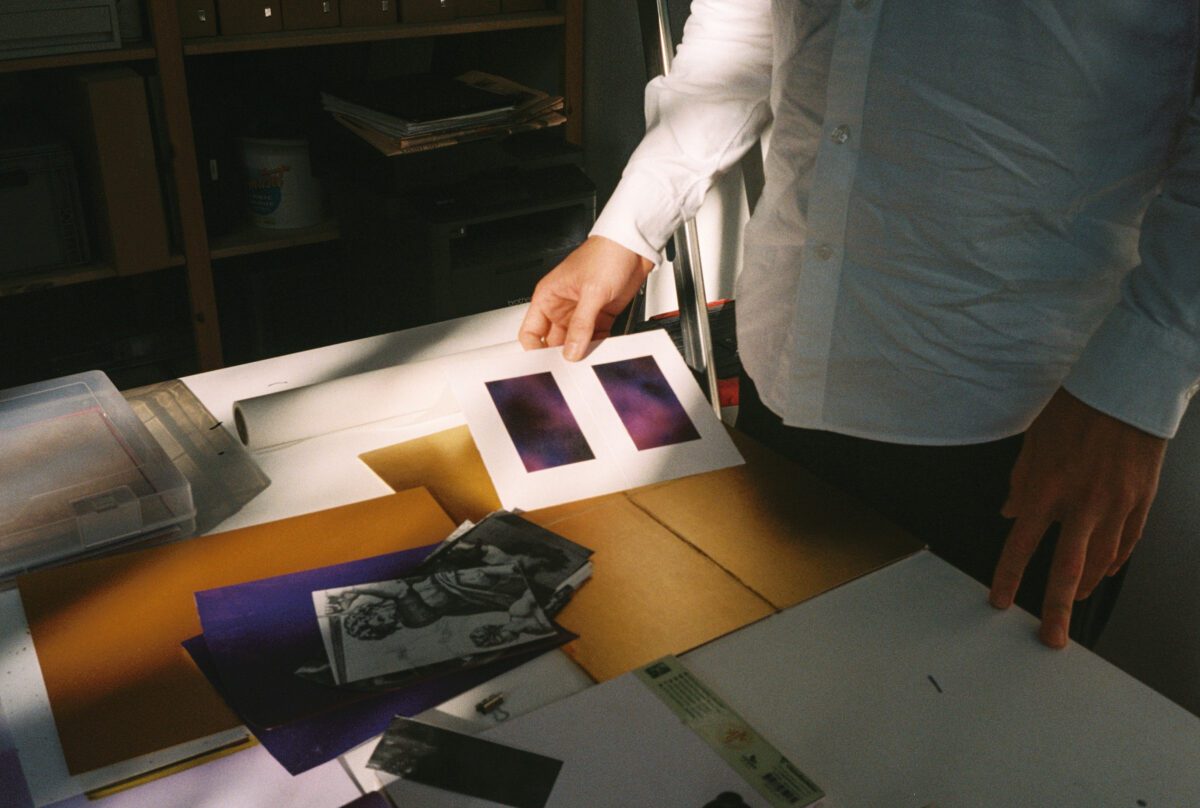
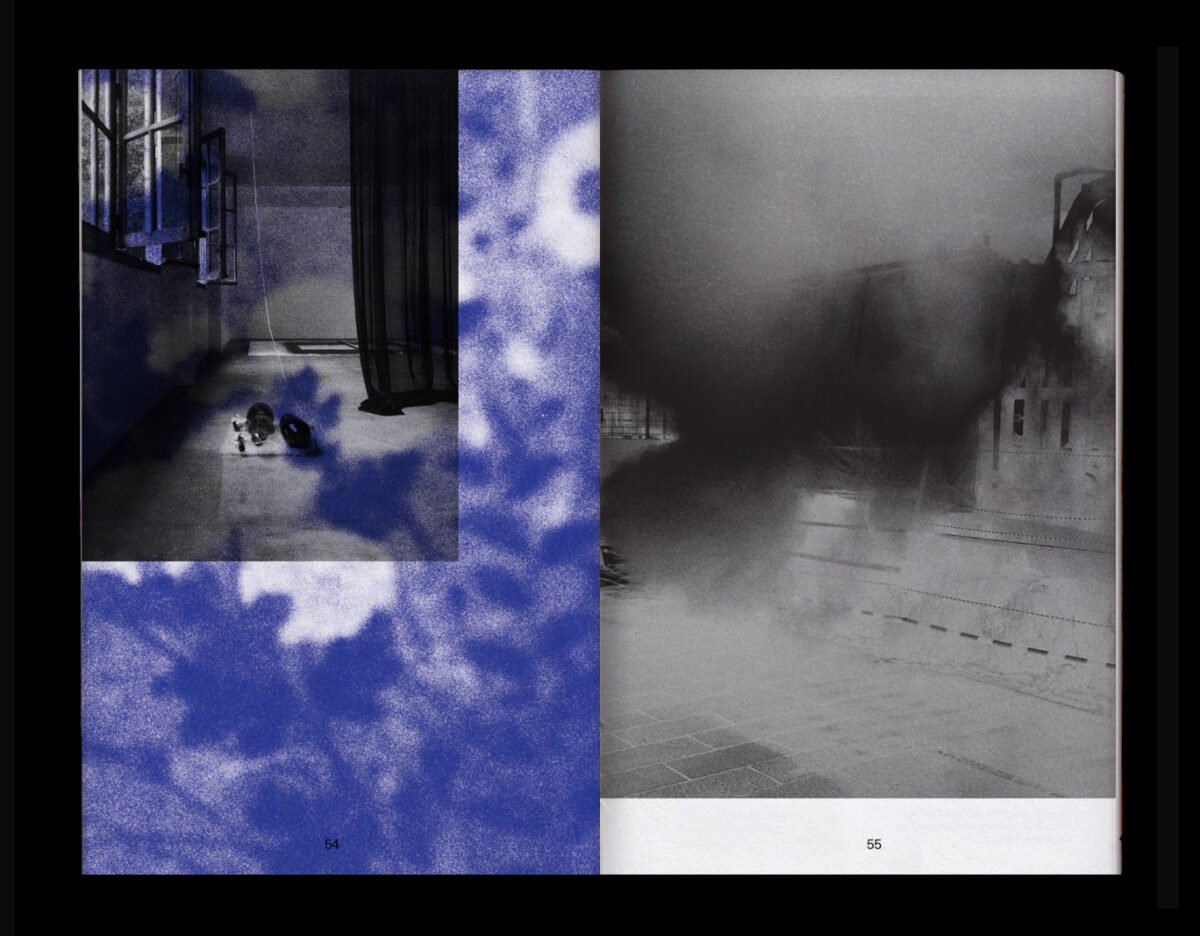
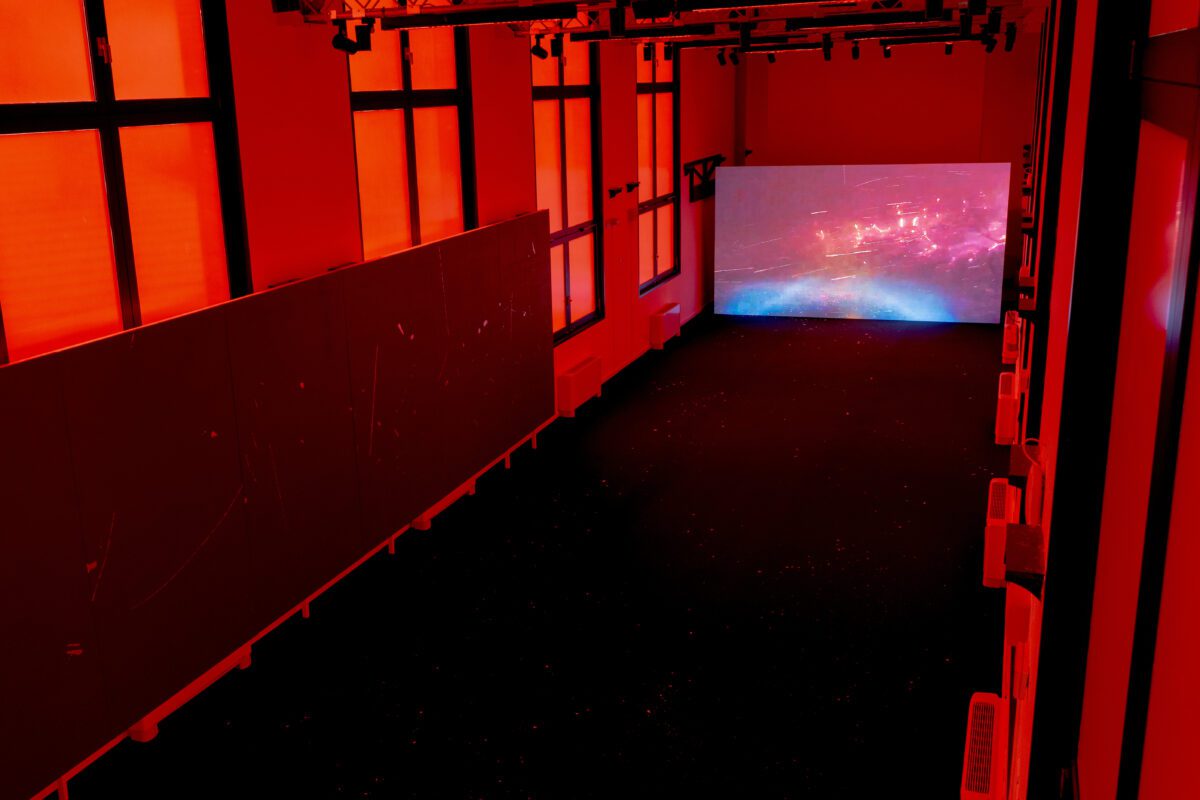
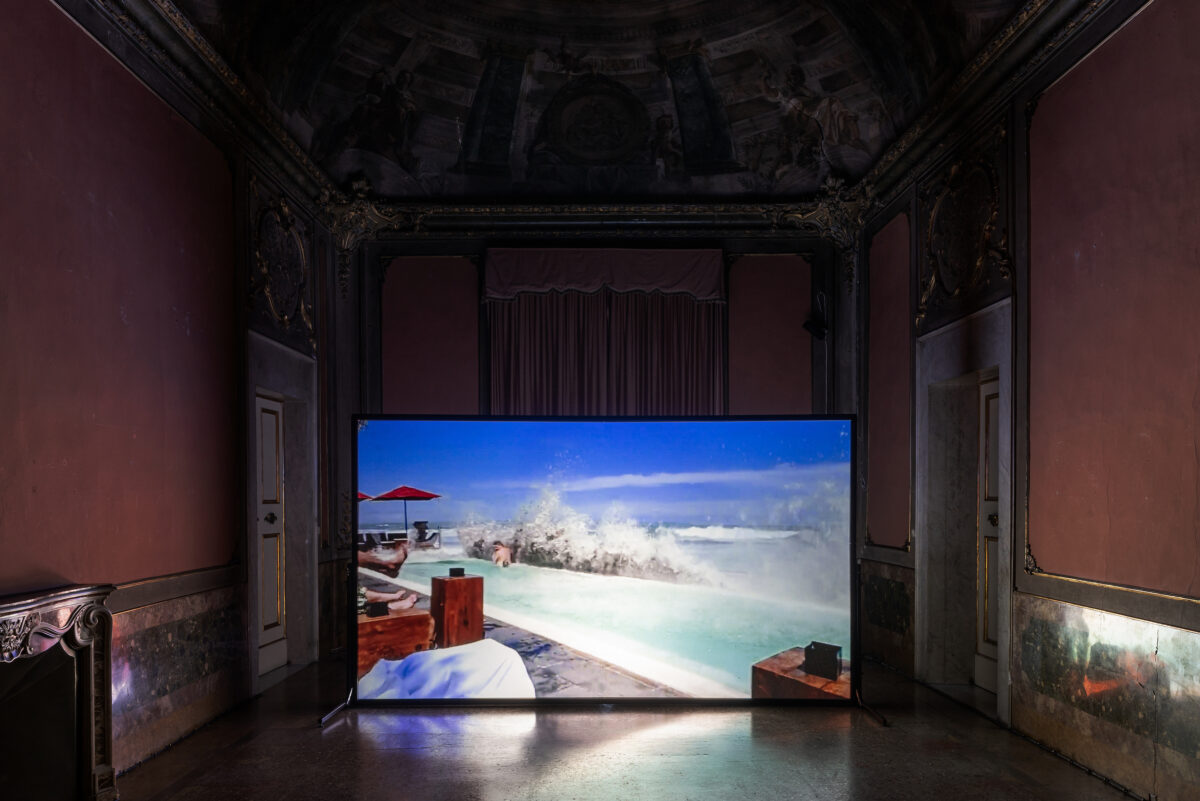
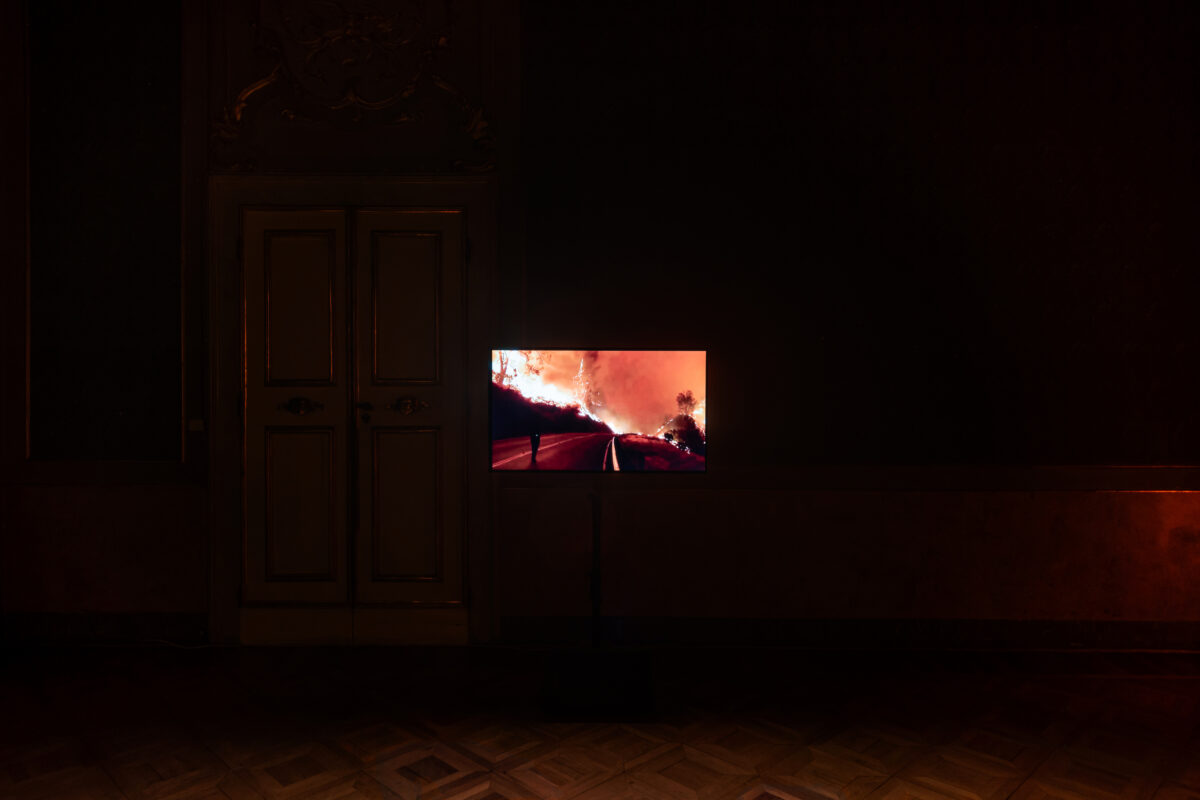
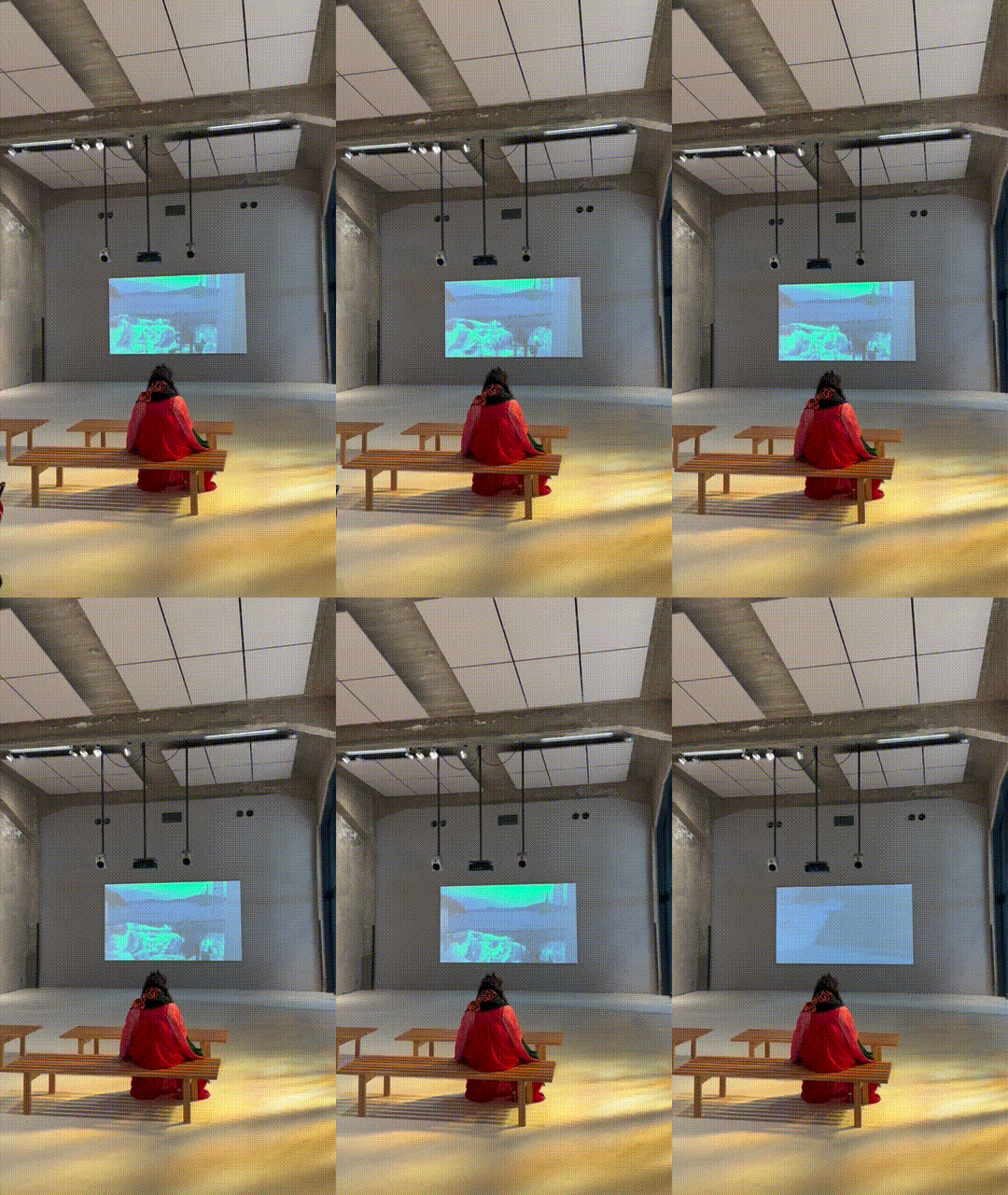
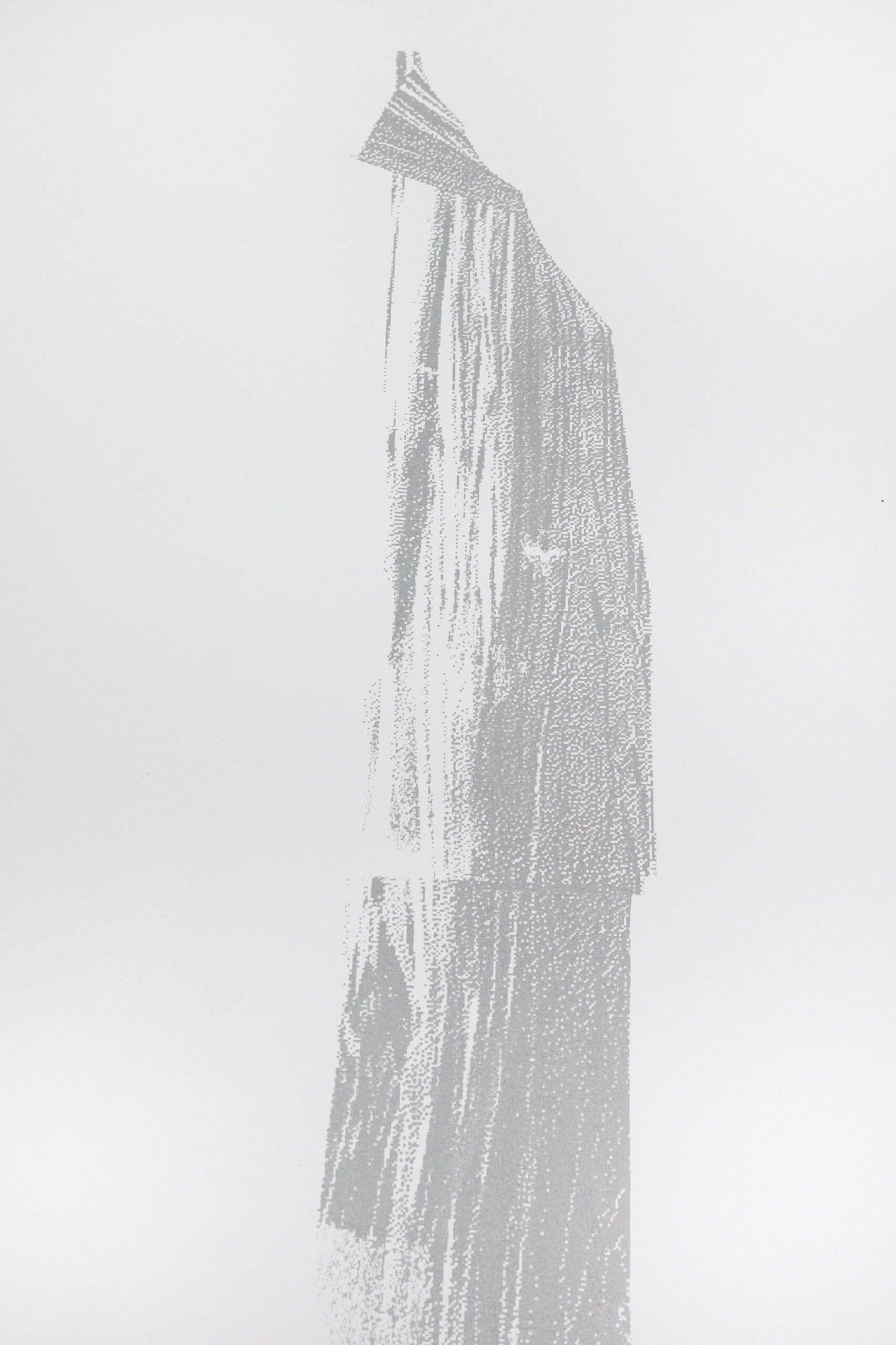
The piece builds a porous world: ambient textures, rhythms dissolved into ghostly pulses, and synthetic quasi-images resemble language without inhabiting it. The images and clips become stranded between intention and malfunction, both expressively hollow and full of life, touching on brokenness, where attempts at digital repair over the course of the film begin to break themselves apart. The images begin to hallucinate and haunt their own spaces before being transferred to 35mm film then rescanned for digital installation works. Forest Swords’ track Onward acts as as a sonic spine to the light: fragments of larger, disassembled systems that hint at meaning while resisting full capture.
The Binding sits between cinema, sound essay, music video, and speculative documentary. Rather than offering narrative resolutions, it traces the fragile conditions under which new forms of meaning might arise, and how repair itself can become a form of violence. It is a film form of emergence: ghostly futures glimpsed through flicker, jitter, and shimmer, where the child, standing at the threshold of the possible, becomes luminous and demands not to be forgotten in both the past, present and future.